 Skip-the-line available
 Visiting Clos Lucé and the Château d'Amboise Together
A practical guide to seeing Leonardo's last home and the royal château where he is said to be buried, in a single day.
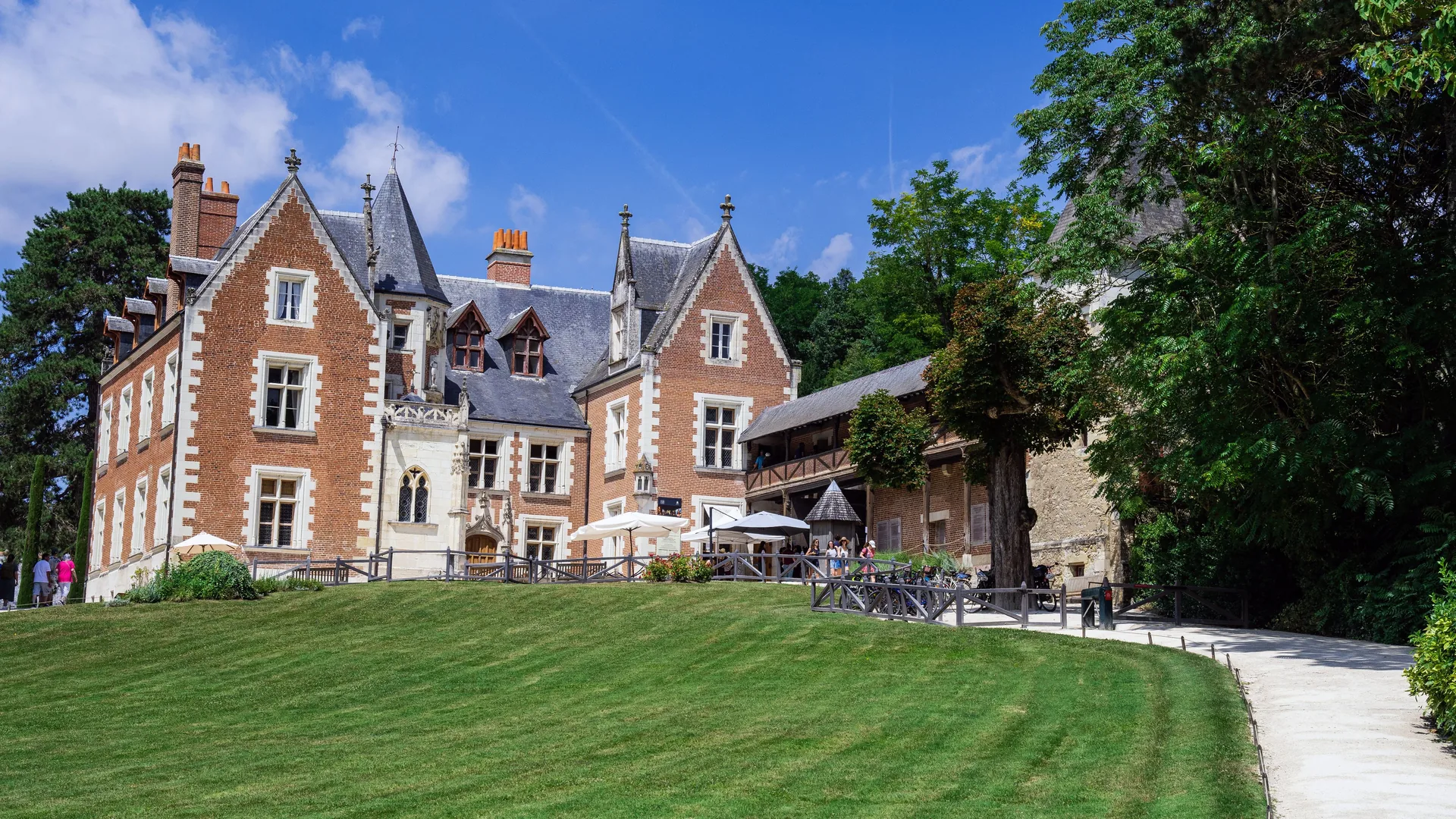
Clos Lucé and the Château Royal d'Amboise are two separate sites with two separate tickets, but they sit a ten-minute walk apart in the same small town and share the same story — François I brought Leonardo da Vinci to Amboise, gave him Clos Lucé to live in, and Leonardo is traditionally said to rest today in the royal château's Saint-Hubert chapel. Visiting both in one day is genuinely practical and, for anyone interested in Leonardo, the more complete way to see Amboise. This guide covers how to time it, and gives an honest account of the burial story, including the real historical uncertainty behind it.
Why Pair the Two Sites
The two châteaux tell one continuous story. At the royal château above the river, François I held his court and, as a young king, brought Leonardo to Amboise in 1516 at the age of 64. At Clos Lucé, a few hundred metres away, Leonardo spent his final three years working for the king, and died in his bedchamber there in 1519. Seeing only one site gives you half the story; the short walk between them is what completes it.
Practically, they also suit different paces: the royal château is a shorter visit (around 1.5 hours) focused on the royal apartments, ramparts and the chapel, while Clos Lucé is longer and more varied (1.5 to 3 hours) between the house, underground galleries and the outdoor machine park. Doing the royal château first and Clos Lucé second — or the reverse — both work well; neither site depends on the other's opening hours in a way that forces a strict order.
Timing the Day
A comfortable one-day plan starts at whichever site opens first for you, allows 1.5–2 hours there, breaks for lunch in the old town between the two (a five-to-ten-minute walk either way), then spends the remaining 1.5–3 hours at the second site. Because Clos Lucé's ticket has no timed-entry slot, there's no risk of a fixed arrival time clashing with how long you linger at the royal château first — on your booked date, you simply arrive when you're ready.
If your time is tighter, the royal château's ramparts, terrace and Saint-Hubert chapel can be seen in under an hour at a brisk pace, leaving a fuller afternoon for Clos Lucé's park, which rewards unhurried time far more than a quick walk-through. Families with children often find the reverse order works better — start energetic at Clos Lucé's hands-on machines in the cooler morning, then wind down with the calmer, more contemplative royal château and its river views in the afternoon.
Leonardo's Tomb — What's Actually Known
The Saint-Hubert chapel, on the grounds of the royal Château d'Amboise, holds a tombstone widely presented as Leonardo da Vinci's grave, and it is a genuinely moving stop for anyone who has just walked through the rooms where he lived and died. The honest history behind it is more complicated than a simple plaque suggests, and worth knowing before you go: Leonardo was originally buried in the collegiate church of Saint-Florentin, elsewhere in the château grounds, which fell into ruin and was demolished in the early 19th century, scattering the graves within it.
In 1863, the writer and amateur archaeologist Arsène Houssaye excavated the former church site and found a skeleton and skull fragments beside stone fragments bearing partial lettering — read by Houssaye as remnants of the name 'Leonardus Vinci.' Those remains were moved into the Saint-Hubert chapel in 1874, where they rest today under a marker. Historians and scientists have debated the identification ever since, and the chapel's own plaque describes the grave as the 'presumed' resting place, not a certainty — an honesty worth carrying with you into the chapel rather than a definitive claim we'd rather not overstate.
Frequently asked
How far apart are Clos Lucé and the royal Château d'Amboise?
About 400–500 metres, roughly a ten-minute walk through the old town of Amboise — an easy, flat route that makes visiting both in one day straightforward.
Do I need one ticket or two to see both sites?
Two separate tickets — Clos Lucé and the Château Royal d'Amboise are independently owned and ticketed. We sell entry to each; there is no combined ticket.
Is Leonardo da Vinci definitely buried at the royal château?
It's traditionally believed but not proven with certainty. His original grave, at the now-demolished Saint-Florentin church, was lost; bones excavated nearby in 1863 and identified by an amateur archaeologist as possibly Leonardo's were moved to the Saint-Hubert chapel in 1874. Historians still debate the identification, and the site itself calls it the 'presumed' grave.
How much time should I allow for both châteaux?
Around 1.5 hours for the royal château and 1.5 to 3 hours for Clos Lucé, plus time to walk between them and stop for lunch in the old town — a full but comfortable day.
Which château should I visit first?
Either order works well. Some visitors prefer the royal château first for context on François I's court, then Clos Lucé for Leonardo's personal story; families with children often start at Clos Lucé's hands-on machine park while energy is highest.